Most of a move is a series of small practical questions: which schools, which parks,
how the commute works, and what to actually do first. This page collects the honest
answers and the official places to check for the details that change.
Schools
Two districts, one county, zero guesswork
Context here, the official map as the final word.
Warren County is covered by two public school districts, plus a major university and a
community college. Which district a house falls into can change at a street boundary,
so treat the overview here as context and the official map as the answer.
County-wide, outside the central city
Warren County Public Schools
About 34 schools and roughly 18,000 students. High schools include Greenwood, South Warren, Warren Central, and Warren East.
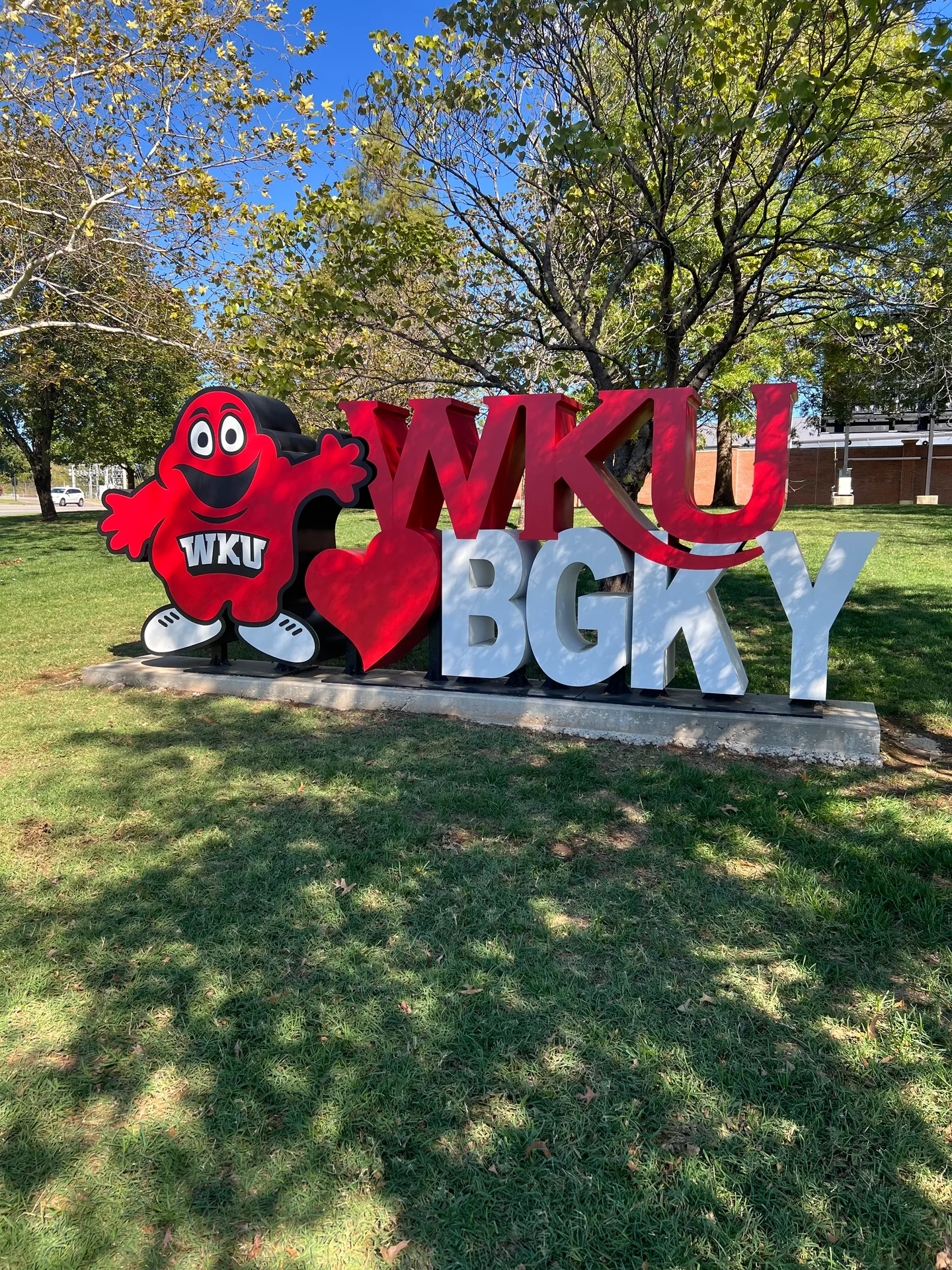
The public four-year university at the edge of downtown, founded in 1906 and home to around 16,000 students. For many of them, Bowling Green becomes their permanent address.
Southcentral Kentucky Community & Technical College
The region's community college: certificates and associate degrees, plus courses that transfer toward a four-year degree, at a fraction of university tuition.
The honest school advice: ask the
district, then ask the parents. School assignment maps are updated by the districts,
and the unofficial version, who thrives where, moves faster than any website can track.
Our
neighborhoods guide
can help you narrow the areas, and then the parents will do the rest.
Interstate 65 runs north-south right past town, about an hour north of Nashville.
The bypass circles the city, most of daily life sits within a fifteen-minute drive,
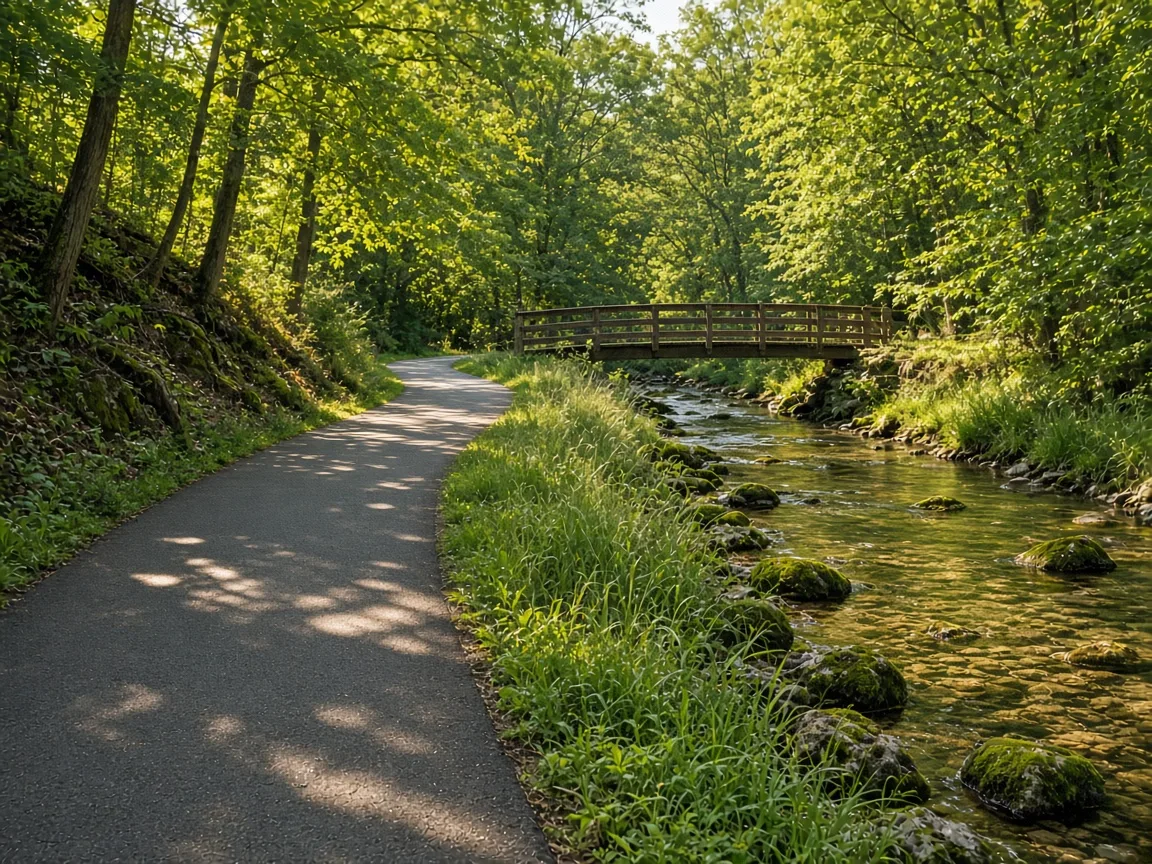
and the greenway keeps growing for the days you'd rather ride than drive.
Nearest big airport is Nashville's, roughly an hour's drive, a detail most newcomers
want confirmed early.
Newcomer checklist
Eight steps we give every family
The order we'd do it in if we were moving here cold.
Steal it, argue with it, skip a step if you must. It is built from the questions we
actually hear every week.
01
Visit in two seasons before you decide
Summer shows you the humidity; winter shows you whether you can handle the quiet weeks. A property looks different in July than in January, and you deserve to see both.
02
Reverse-engineer your commute
If your job is on the north side or at the hospital, the 'best' neighborhood is the one that keeps you sane five days a week. Map the drive before you map the house hunt.
03
Have the school conversation early
Districts differ and boundaries shift. Check the official district maps first, then talk to actual parents in the areas you like. They'll give you the version that isn't written down.
04
Rent before you buy if you can
A year on the ground teaches you what listings can't: traffic rhythms, neighbor situations, and the flood spots locals just know about. Renting first is the cheapest research available.
05
Get on the calendar immediately
Farmers market season, Concerts in the Park, a Hilltopper game. Bowling Green runs on these events, and attending them is how a city turns into a community.
06
Find your third place within a month
Coffee shop, gym, church, park bench with good light, it doesn't matter. One regular spot makes a new town feel like home surprisingly fast.
07
Ask about the things that bite
Insurance rates, utility providers, whether that gorgeous creek-side lot floods in a five-inch rain. Locals will tell you straight if you ask the right way.
08
Ask us anything, no strings
Relocation is literally what we do. There's no charge for a heads-up, and the questions you feel silly asking are the ones we hear every week. Use the contact page and ask.
After the checklist
Stuck on step three? We help with this every week.
The Living in Kentucky Team is a relocation-focused team, so the questions on this
page are our daily work. Ask us anything, whether you're two years out or two weeks.